
What is a certificate of analysis (CoA)?
A CoA shows the identity and purity of a batch, supported by HPLC and mass spectrometry.
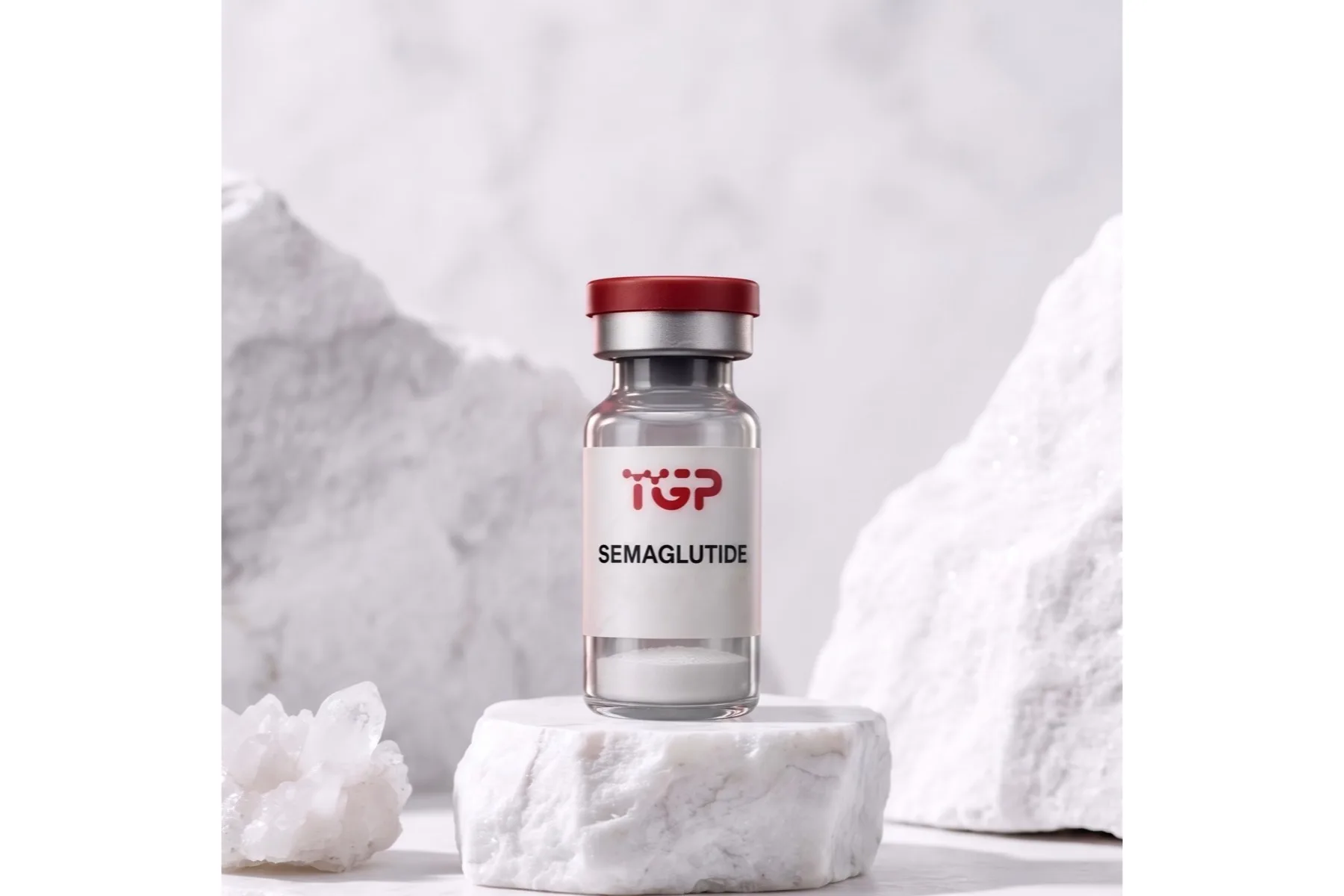
A certificate of analysis (CoA) is a document summarising the quality-control test results of a specific production batch, including identity, purity percentage, and analytical method, allowing a researcher to verify exactly what material is in the vial. It serves as the written evidence that a batch has been tested and meets its stated specifications.
What exactly appears on a CoA
A complete CoA typically includes the following elements:
- identity of the substance: confirmation that the sequence or molecular structure matches the stated product, usually via mass spectrometry
- purity percentage: expressed as the area percentage of the main peak in an HPLC chromatogram
- analytical method: typically HPLC (high-performance liquid chromatography) for purity, combined with mass spectrometry (MS) for identity confirmation via molecular weight
- batch or lot number: the unique identification code for that specific production run
- production date and, where applicable, a shelf-life indication
- name and signature or stamp of the testing laboratory or quality-control department
Why a CoA matters in research
Reproducibility is a core requirement in research: if the identity or purity of a material used is not documented, results cannot reliably be repeated or compared across laboratories. A CoA makes it possible to verify that the tested material actually corresponds to what is described in a publication or experimental design. HPLC purity data further reveal the presence of related impurities or degradation products, while mass spectrometry confirms that the molecular weight matches the expected sequence. Two independent analytical techniques that complement one another.
How to link a CoA to your batch
Every peptide package carries a batch or lot number, typically printed on the vial label or the outer packaging. This number must match exactly the number at the top of the corresponding CoA document. In case of doubt or missing documentation, it is common practice to verify the batch number with the supplier before the material is used in an experiment. A well-organised archiving system links each CoA directly to its corresponding batch in the laboratory inventory, ensuring traceability is maintained, an essential part of good laboratory practice (GLP) and quality assurance.