Today only on the entire range
02:14:33
TogoPeptide
Knowledge base
News, facts and research on research peptides. Factual, without claims.
 Fact
Fact5 tips to keep your peptides stable for longer
Peptides are delicate molecules. These five practical tips help you preserve quality as long as possible.
Read more News
NewsThe fresh-batch method: freshly made, CoA per batch on request
What we hold in stock ships within the normal shipping time; the rest is produced fresh per batch for you. That keeps the material as close as possible to its production date, with a per-batch certificate of analysis on request.
Read more News
NewsNew: two GHK-Cu, BPC-157 and TB-500 research sets sold separately
The research sets GHK-Cu + BPC-157 + TB-500 and GHK-Cu + KPV + BPC-157 + TB-500 are now their own products with a clear composition and batch documentation.
Read more Fact
FactWhat does purity mean for a peptide?
A purity percentage tells how much of the material is the intended peptide. We explain how to read it.
Read more Fact
FactWhy research peptides are supplied freeze-dried
Freeze-drying (lyophilisation) keeps peptides stable during transport and storage. This note explains why.
Read more Fact
FactHow to read a CoA and a chromatogram
Reading a certificate of analysis and an HPLC chromatogram: peak, retention time and purity in percent.
Read more Fact
FactWhat is a certificate of analysis (CoA)?
A CoA shows the identity and purity of a batch, supported by HPLC and mass spectrometry.
Read more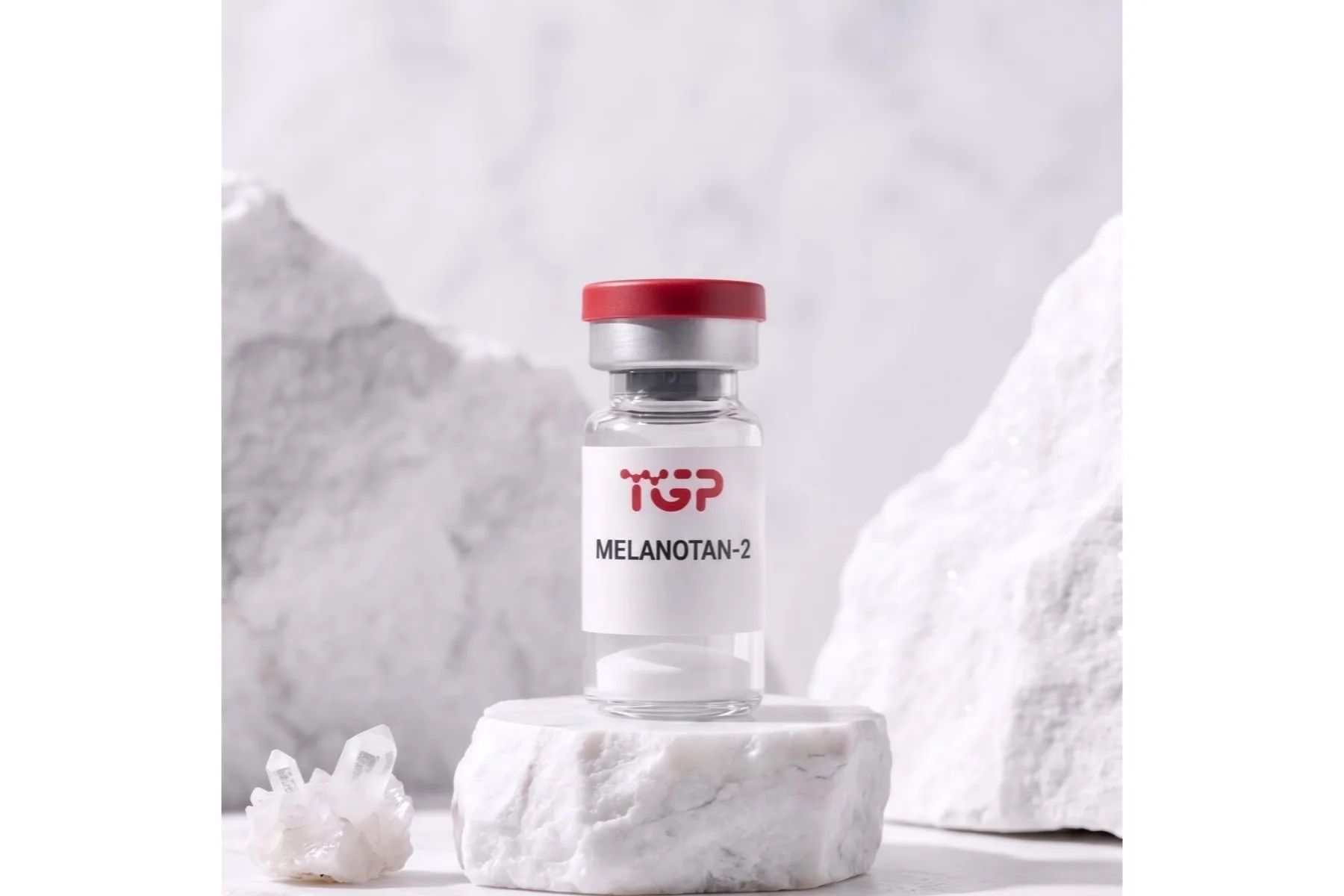 Research
Melanocortin peptides: MT-2 and PT-141 in research
MT-2 and PT-141 act on the melanocortin receptors, a classic subject in peptide research.
Read more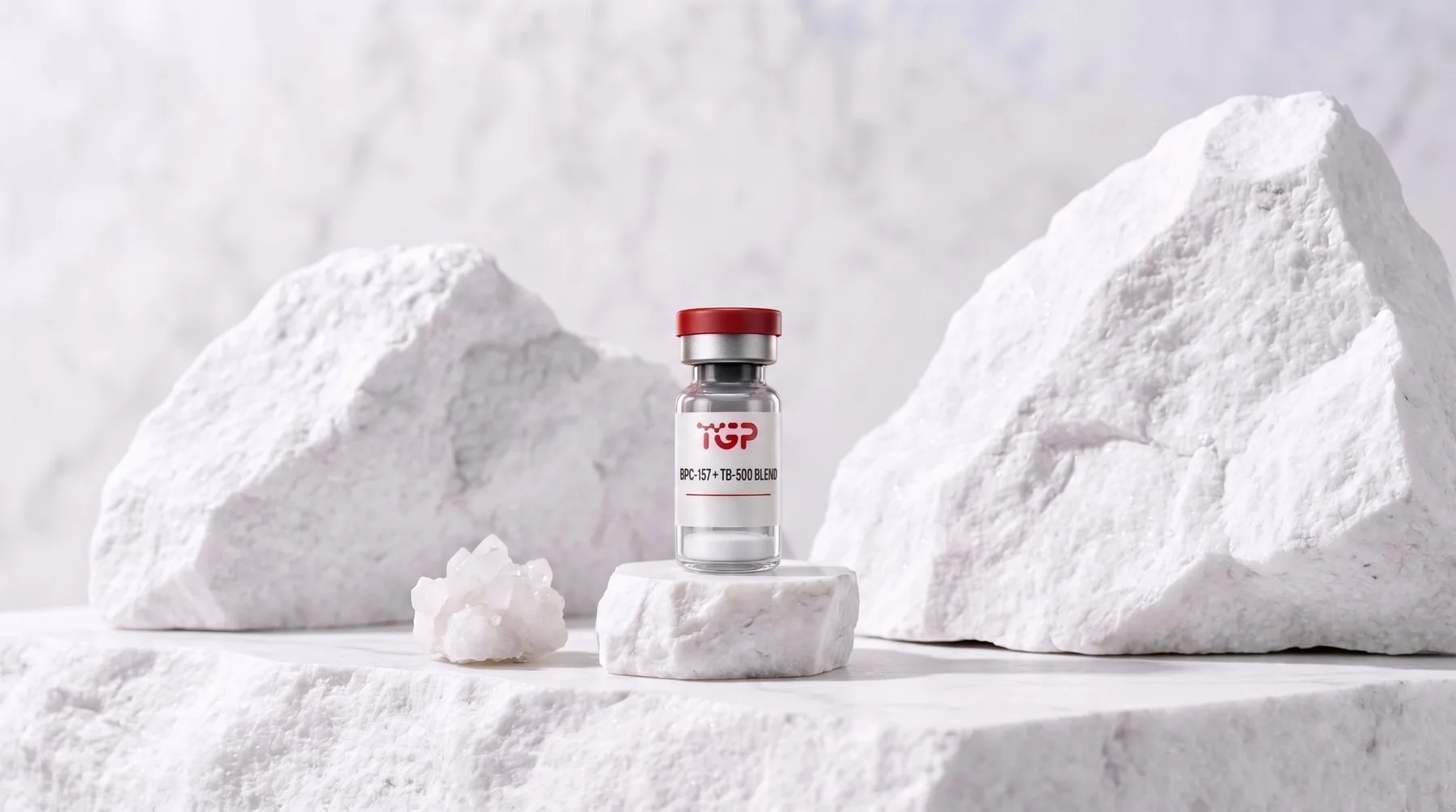 Research
BPC-157 and TB-500 in tissue research
Two peptides often named together in preclinical tissue research. A factual description, without claims.
Read more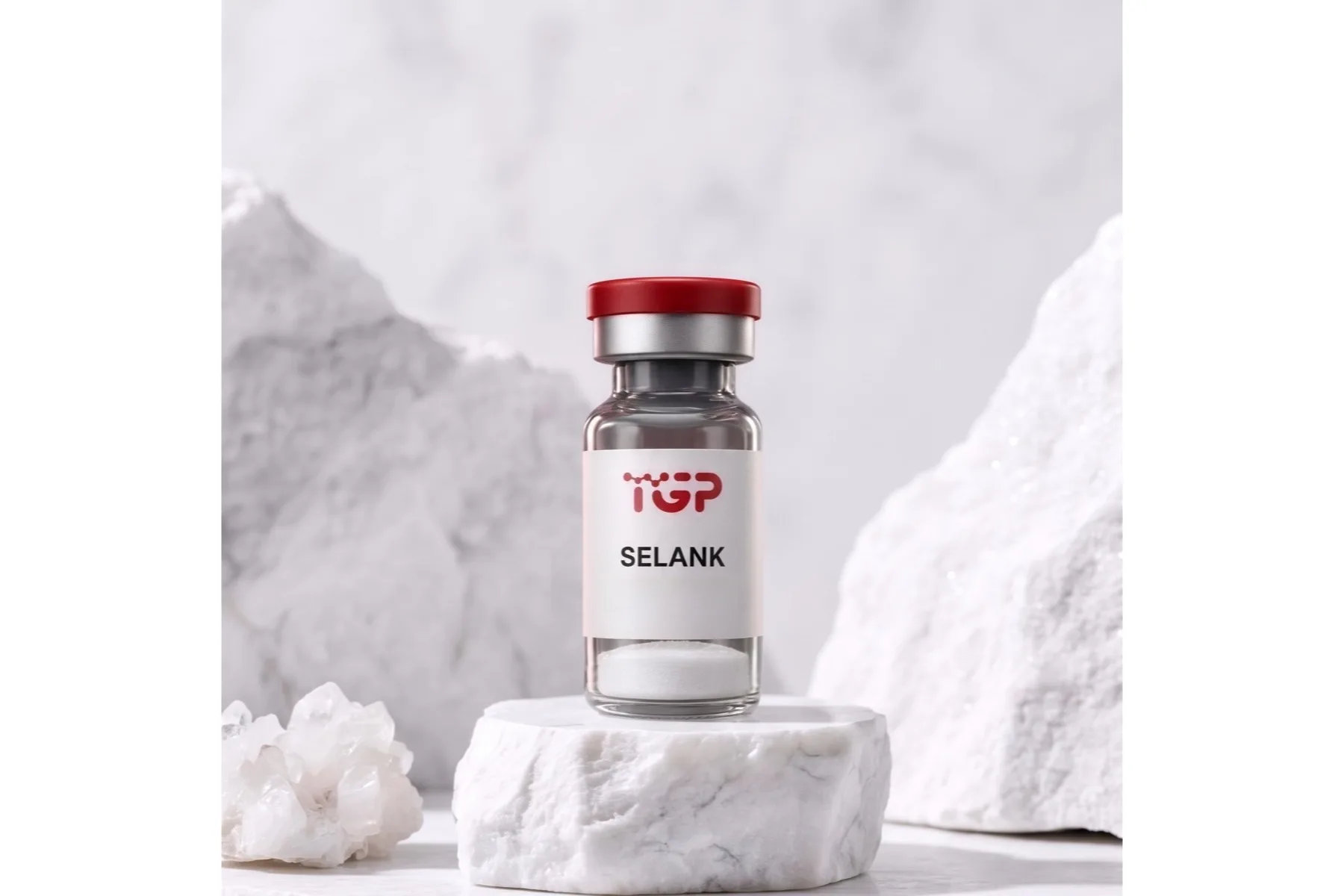 Fact
FactNeuropeptides in research: Selank and Semax in brief
Selank and Semax are Russian research peptides widely studied in neuroscience.
Read more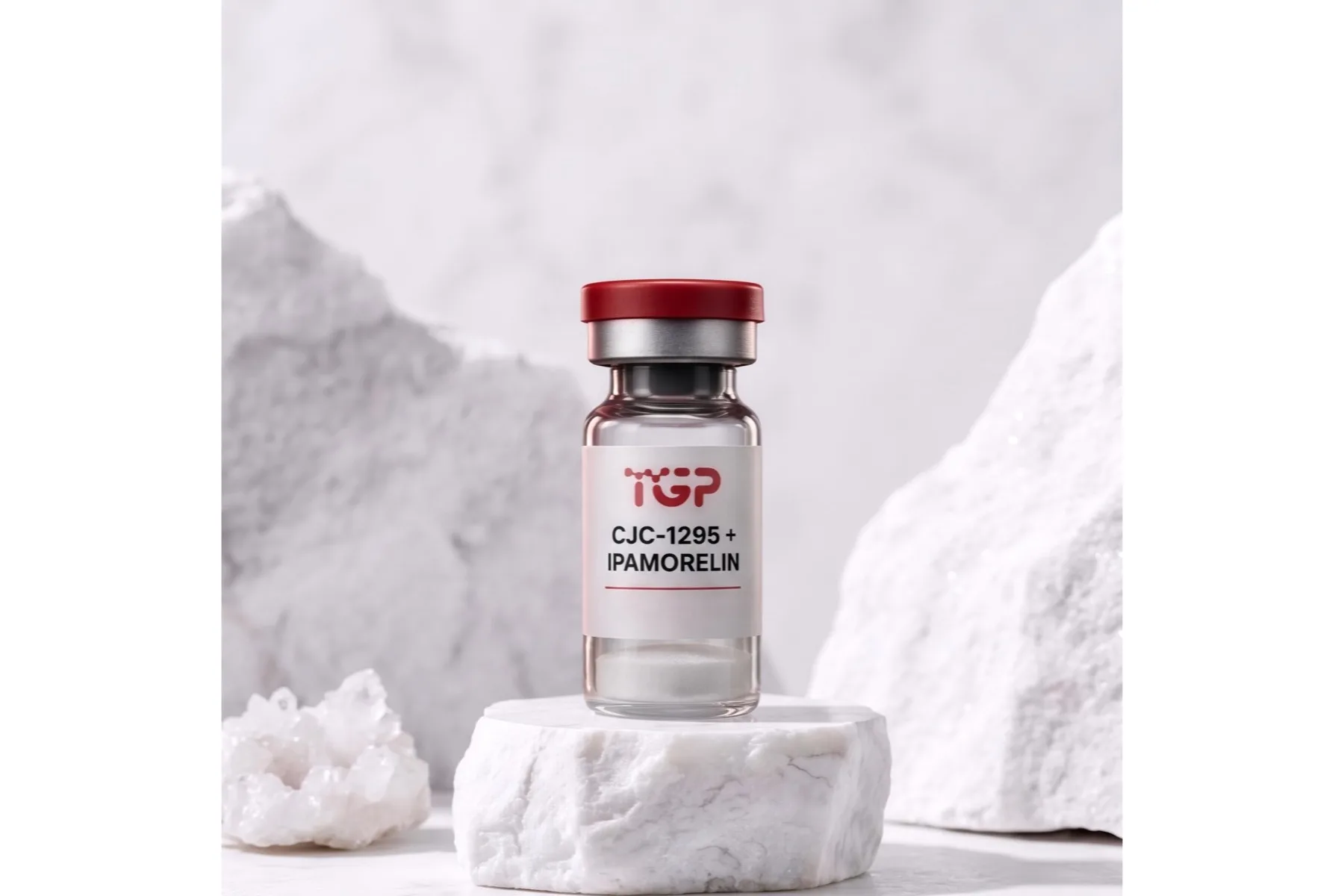 Research
Growth hormone secretagogues: CJC-1295 and Ipamorelin
CJC-1295 is a GHRH analogue, Ipamorelin a GHRP. Why these two research peptides are often studied together.
Read more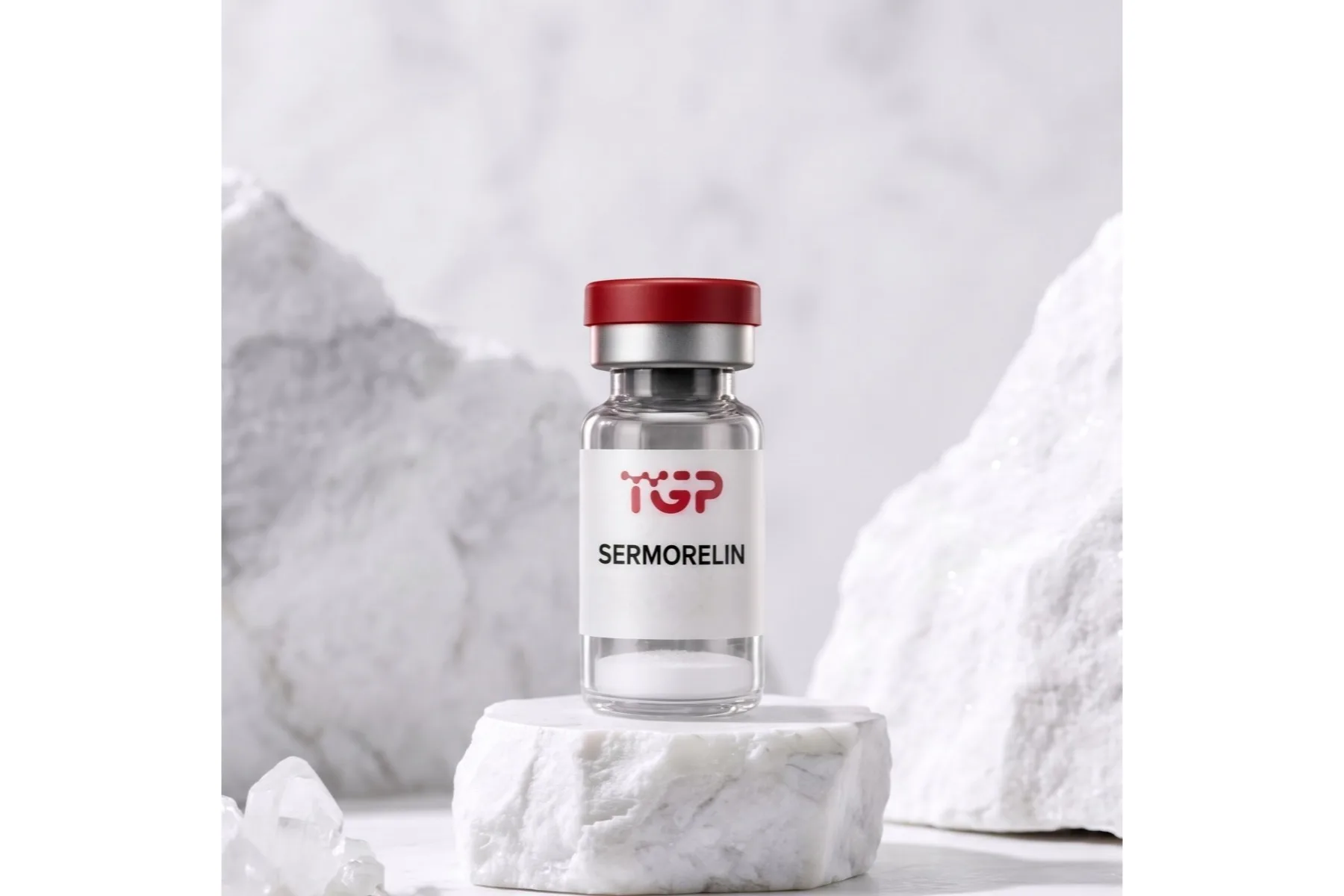 Fact
FactWhat is a GHRH analogue? Sermorelin, CJC-1295 and Tesamorelin
GHRH analogues mimic a natural signalling peptide and are a classic subject in growth hormone research.
Read more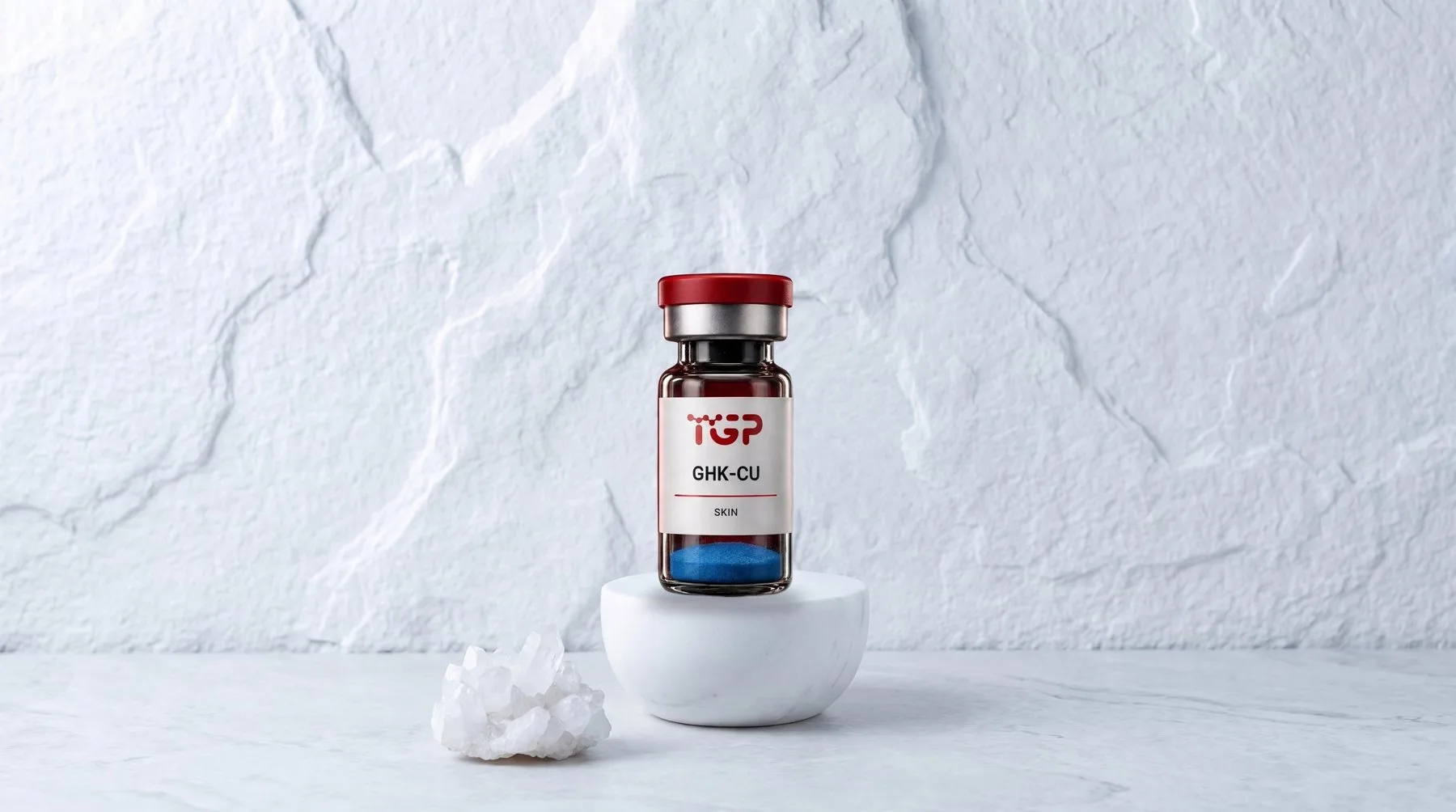 Research
GHK-Cu and skin research
GHK-Cu is a copper peptide studied in research on skin, collagen and tissue. A factual description.
Read more Fact
FactStorage and shelf life of freeze-dried peptides
Stored freeze-dried, peptides stay stable for a long time. Cool, dry and dark is the rule of thumb; refrigerated once dissolved.
Read morePeptide research overview
| Compound | Molecular class | Target / receptor |
|---|---|---|
| Retatrutide | Triple agonist · sterkste afvalpeptide | Vetverbranding · eetlust · bloedsuiker |
| AOD-9604 | Vetverbrandend HGH-fragment | Buikvet · vetverbranding |
| MOTS-c | Mitochondrial-derived peptide | AMPK pathway |
| BPC-157 | Herstelpeptide (Wolverine) | Pezen · gewrichten · darmen |
| TB-500 | Herstelpeptide | Spieren · pezen · hart |
| GHK-Cu | Anti-aging koperpeptide | Collageen · rimpels · haargroei |
| Ipamorelin | Groeihormoonbooster | Spieropbouw · vetverlies · slaap |
| CJC-1295 (DAC) | Groeihormoonbooster (langwerkend) | Spieropbouw · anti-aging |
| Sermorelin | GHRH(1-29) analog | GHRH-R |
| Melanotan II (MT-2) | Bruinings- en libidopeptide | Bruine huid · libido · eetlust |
| PT-141 (Bremelanotide) | Libidopeptide | Libido · erectie |
| Selank | Anti-angst peptide | Stress · angst · slaap |
Glossary
- Reconstitution
- Reconstitution is the process of dissolving a lyophilized powder in a liquid, such as bacteriostatic water, to form a solution for laboratory use.
- Lyophilization
- Lyophilization, or freeze-drying, is a process in which water is removed from a frozen product under vacuum to obtain a stable powder.
- Bacteriostatic water
- Bacteriostatic water is sterile water containing a small percentage of benzyl alcohol that inhibits bacterial growth, used as a solvent during reconstitution.
- Certificate of Analysis (CoA)
- A certificate of analysis is a document confirming the identity and purity of a batch based on HPLC and mass spectrometry analysis.
- HPLC
- HPLC, or high performance liquid chromatography, is an analytical technique that separates and quantifies the components of a mixture and is used to determine purity.
- Mass spectrometry
- Mass spectrometry is an analytical technique that measures the mass-to-charge ratio of molecules to confirm identity and molecular weight.
- Peptide
- A peptide is a chain of amino acids linked by peptide bonds, shorter than a protein.
- Amino acid
- An amino acid is an organic compound and building block of peptides and proteins, containing both an amino group and a carboxyl group.
- Purity
- Purity is the percentage of the desired compound in a sample relative to impurities, determined using HPLC.
- GHRH analog
- A GHRH analog is a synthetic variant of growth hormone-releasing hormone that acts on the GHRH receptor.
- Agonist
- An agonist is a molecule that binds to a receptor and activates it, triggering a cellular response. In peptide research the term refers to a compound that mimics the action of a natural signalling molecule.
- Antagonist
- An antagonist is a molecule that binds to a receptor without activating it, blocking or reducing the action of an agonist. The term describes a compound's role in receptor research.
- Receptor
- A receptor is a protein on or inside a cell that recognises and binds specific molecules, after which a signal is relayed within the cell. Receptors are the binding sites at which peptides are studied in laboratory research.
- Ligand
- A ligand is a molecule that binds to a receptor or other target protein. In peptide research the peptide is often the ligand whose binding to a given receptor is studied.
- Incretin
- Incretins are gut hormones, such as GLP-1 and GIP, released after a meal and involved in the regulation of blood glucose. The term is used in research to denote this class of signalling molecules.
- Secretagogue
- A secretagogue is a substance that prompts a cell or gland to release a hormone or other substance. In research the term describes, for example, peptides that stimulate the release of growth hormone.
- Angiogenesis
- Angiogenesis is the formation of new blood vessels from existing ones. In laboratory research this process is studied to better understand tissue repair and cell biology.
- Half-life
- The half-life is the time it takes for half of a substance to be cleared from a system or broken down. In research this value indicates how quickly a peptide declines in a test setting.
- In vitro
- In vitro means literally in glass and refers to experiments carried out outside a living organism, for example in a test tube or cell culture. The term contrasts with in vivo.
- In vivo
- In vivo means literally within the living and refers to research conducted in a living organism. The term contrasts with in vitro, where work is done outside the organism.
- Preclinical research
- Preclinical research comprises the studies conducted before a substance is tested in humans, usually in cell cultures and animal models. This stage serves to explore activity and safety within a laboratory setting.
- Placebo-controlled
- Placebo-controlled means that in a study one group receives a dummy treatment without active substance, for comparison with the group receiving the actual substance. This lets researchers distinguish real effects from chance or expectation.
- Double-blind study
- In a double-blind study neither the participants nor the researchers know who receives the active substance and who receives the control. This design reduces bias in the results.
- Amino acid sequence
- The amino acid sequence is the precise order in which the amino acids in a peptide or protein are linked together. This order determines the molecule's structure and properties.
- Peptide bond
- A peptide bond is the chemical link that joins two amino acids together, forming the chain of a peptide. This bond forms when the carboxyl group of one amino acid reacts with the amino group of another.
- Neurotrophic factor
- A neurotrophic factor is a protein that supports the growth, maintenance and survival of nerve cells. In research these factors are studied within neurobiology.