
Neuropeptides in research: Selank and Semax in brief
Selank and Semax are Russian research peptides widely studied in neuroscience.
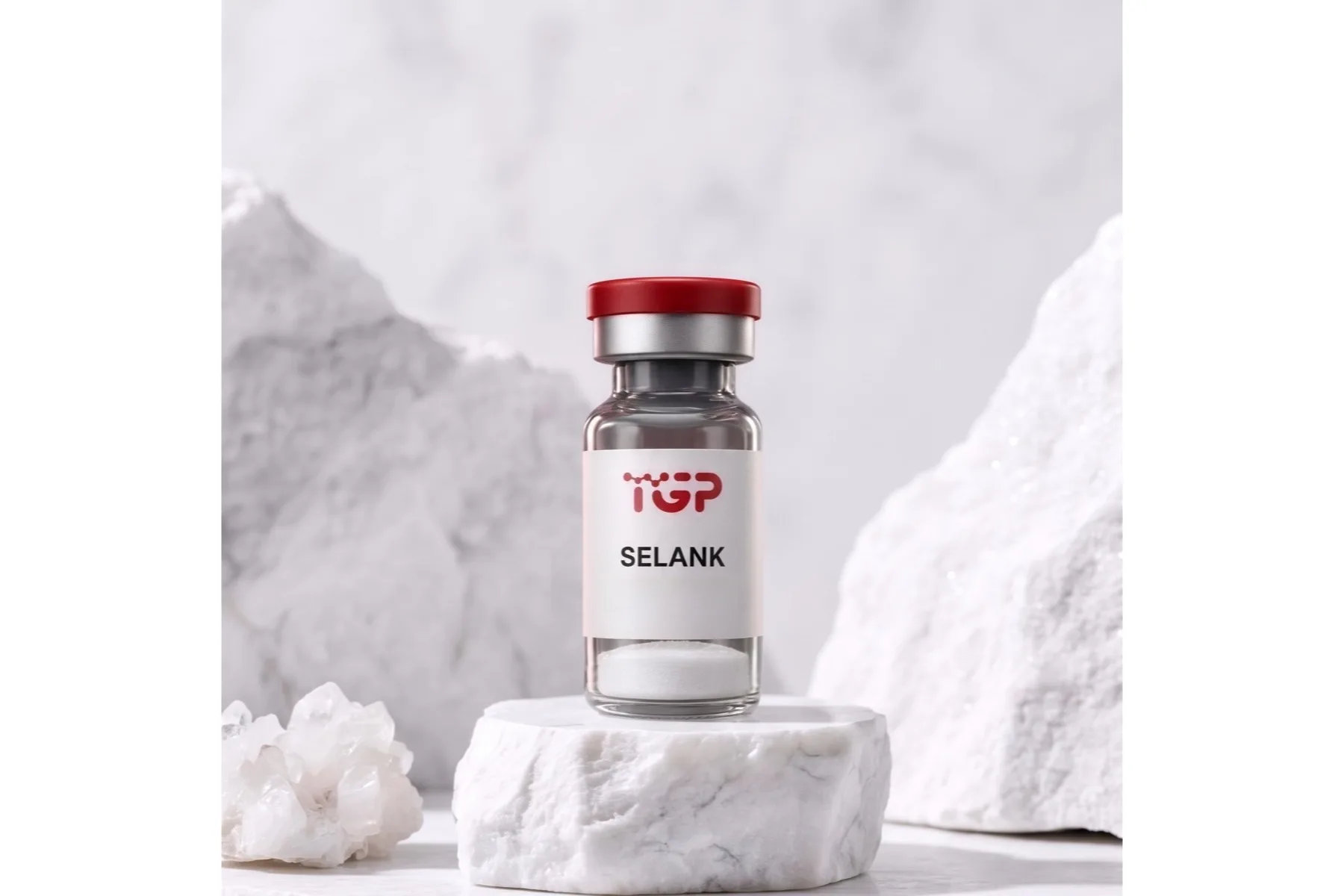
What Selank and Semax are
Selank and Semax are synthetic peptides studied in laboratory research within the field of neuropharmacology. Selank is a synthetic analogue structurally derived from tuftsin, a tetrapeptide, while Semax is derived from a fragment of adrenocorticotropic hormone (ACTH), retaining the fragment structure without the hormonal activity of the full ACTH molecule. Both peptides are described in the scientific literature as model compounds for research into neuronal signalling pathways.
Selank as a model compound: the tuftsin derived pathway
Selank is used in preclinical research to study processes related to the tuftsin like structure of the molecule, including interactions with immune related and neuromodulatory signalling pathways at the receptor level. Research models focus on how this peptide acts on enzyme systems such as peptidases and on neurotransmitter systems in cell culture and animal models.
Semax as a model compound: the ACTH fragment pathway
Semax is studied as a model compound for the investigation of neurotrophic signalling pathways, including research into brain derived neurotrophic factor (BDNF) expression in preclinical models. As an ACTH fragment derivative, Semax is used in laboratory research to analyse how modified peptide fragments act on neuronal signal transduction, without the classical corticotropic activity of the parent hormone.
Molecular research pathways
Both peptides are studied at the molecular and receptor level within neuroscience research, including in relation to neurotransmitter systems, growth factor expression and enzymatic degradation pathways. Within the research context, these compounds serve as tools to dissect structure activity relationships of peptide fragments, not as a description of any application in humans.
Research context
The information on Selank and Semax is based exclusively on their role as model compounds in laboratory and preclinical research into neuronal signalling pathways. This article makes no statements regarding cognitive effects in humans.
- Molecular class: synthetic peptide fragments (tuftsin derived and ACTH fragment derived)
- Research pathways: neuromodulation, neurotrophic signalling
- Model compounds: Selank, Semax
- Research domain: molecular neuropharmacology