
5 tips to keep your peptides stable for longer
Peptides are delicate molecules. These five practical tips help you preserve quality as long as possible.
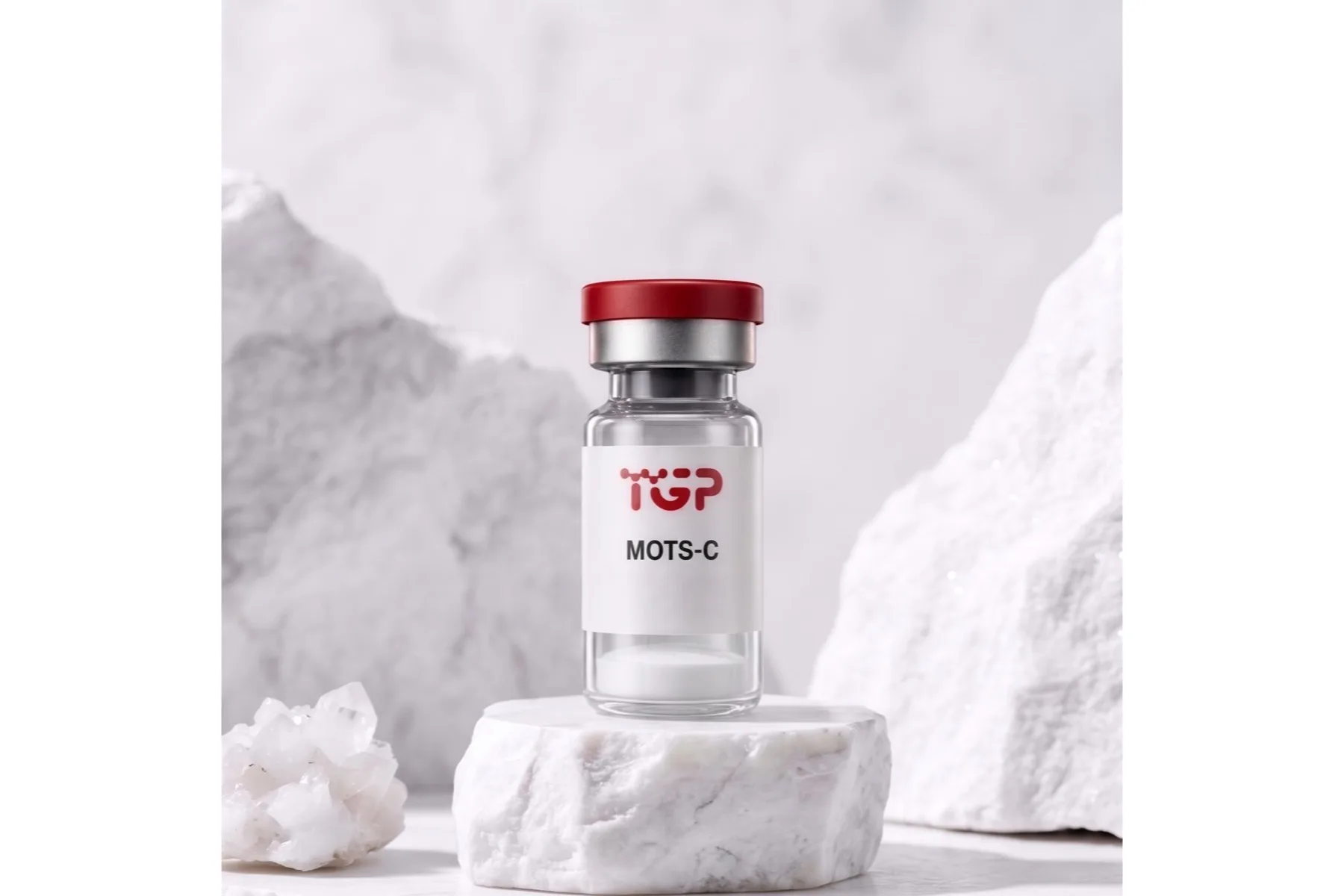
Keeping peptides stable for longer comes down, in practice, to five habits: storing cool and dark, aliquoting a stock solution straight away, avoiding freeze-thaw cycles, working sterile, and labelling and dating accurately. Each of these steps counters a specific degradation mechanism that can compromise the quality of a research sample.
1. Store cool and dark
Temperature and light are the two largest external factors determining the rate of degradation processes such as hydrolysis, oxidation, and deamidation. Unopened freeze-dried material belongs in a freezer for longer-term storage (−20 °C, in laboratories sometimes −80 °C), shielded from light in amber glass or a light-blocking outer package. A stock solution for in-vitro analysis goes into the refrigerator (2–8 °C), never left on the bench at room temperature.
2. Aliquot straight away
By dividing a stock solution into several small, individually sealed portions (aliquots) immediately after preparation, only one portion needs to be thawed for an analysis at a time. The rest remains undisturbed, frozen or refrigerated, which minimises the whole volume's exposure to temperature fluctuation and repeated opening.
3. Avoid freeze-thaw cycles
Each time a solution thaws and refreezes, localised concentration differences and mechanical stress from ice crystal formation occur, which can accelerate aggregation and degradation. Practical measures include:
- working with small aliquots so a portion is used up in one go
- letting an aliquot thaw fully on ice or at 2–8 °C rather than at room temperature
- never refreezing an aliquot that has already thawed and been partially used
4. Work sterile and clean
Microbial contamination can cause a solution to degrade faster than chemical breakdown alone. When opening, dissolving, and aliquoting, work under clean conditions (for example in a laminar flow hood or with filtered solvents), use clean, calibrated pipettes, and limit the number of times a vial is opened.
5. Label and date correctly
Every aliquot and vial should carry the batch number, the date the solution was prepared, solvent, and concentration. Without this information it becomes impossible to trace a sample's age or history, undermining the traceability and reproducibility of research results. A consistent labelling system, linked to the certificate of analysis of the relevant batch, should be a standard part of laboratory management.